• Shimbashi

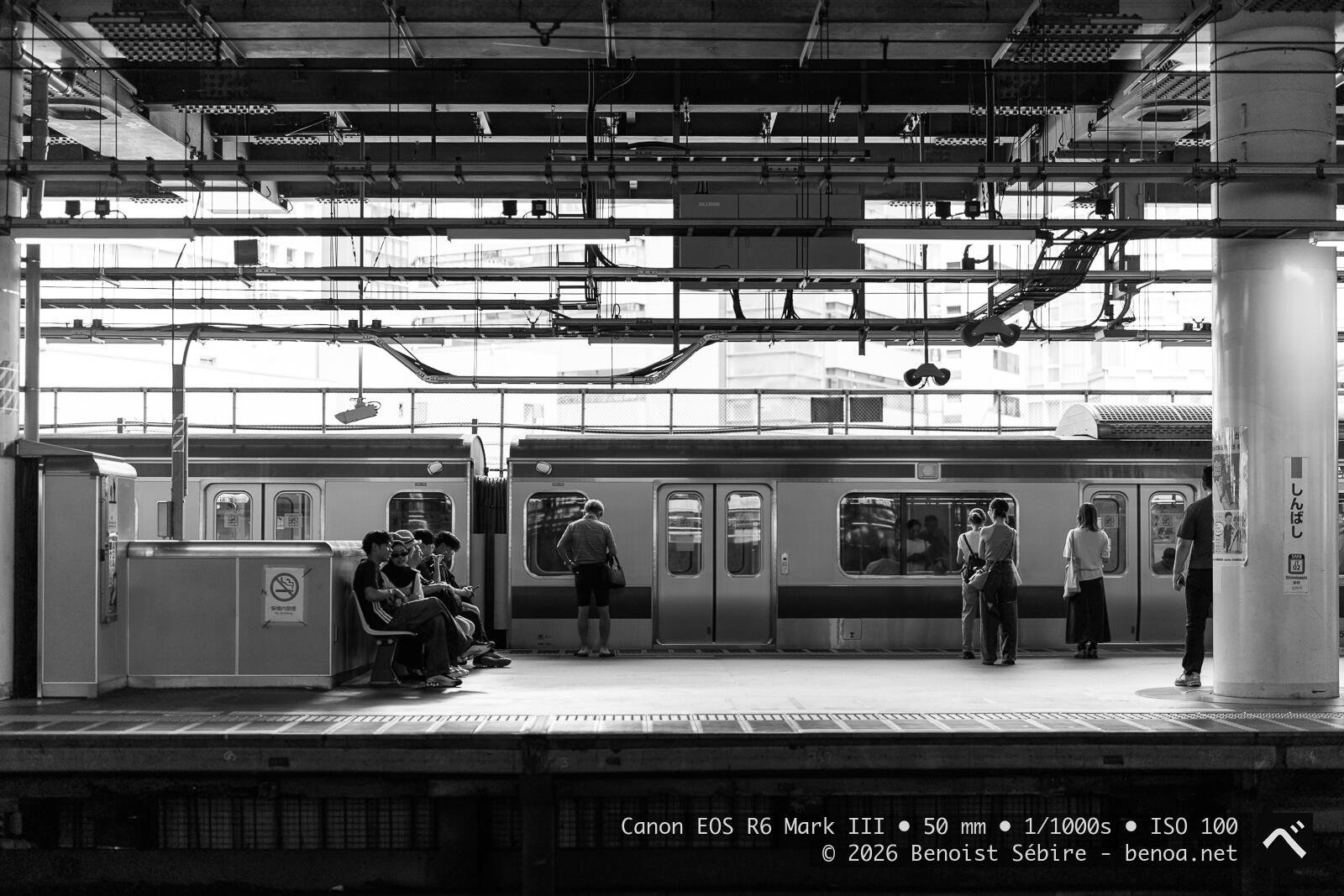
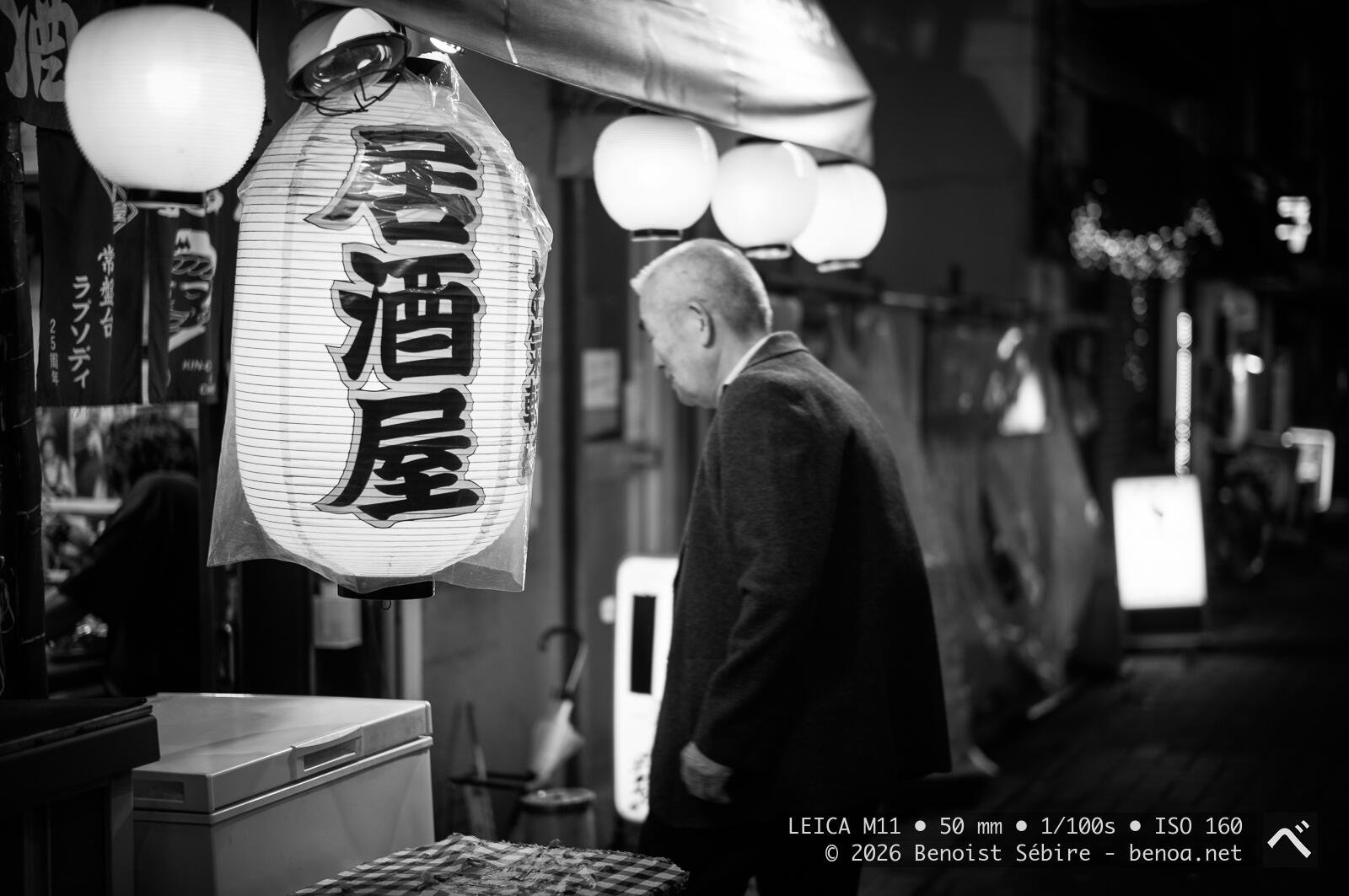
    Shimbashi Station sits in Minato Ward like a perpetual motion machine powered by commuters, neon, and the faint smell of grilled skewers drifting in from the side streets. It opened in 1909 under the name Karasumori, then adopted the Shimbashi identity in 1914 when Tokyo Station took over as the grand gateway of the Tōkaidō…

  • Kamui Cape

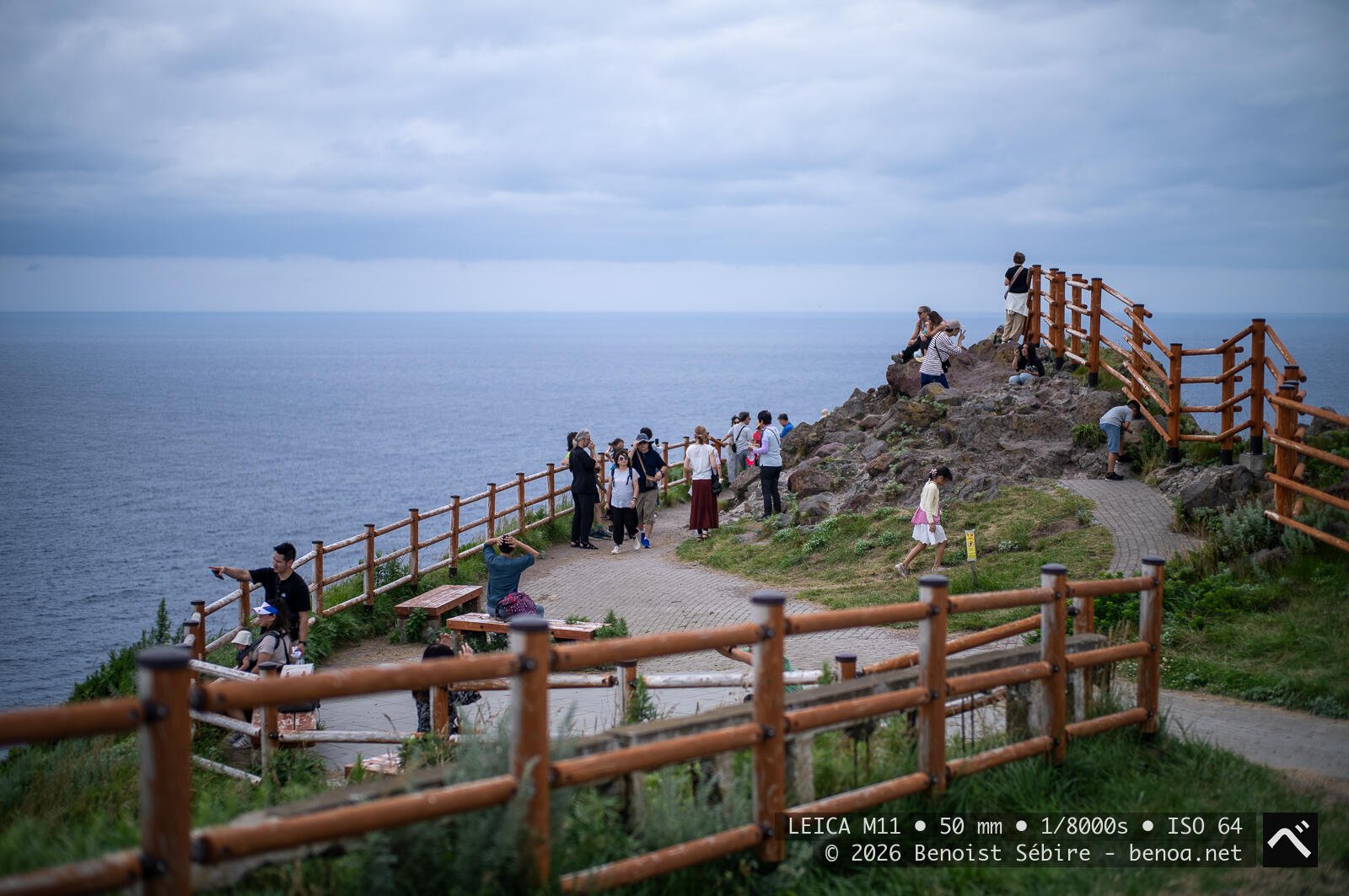
    Cape Kamui sits on the Shakotan Peninsula like a long green finger pointing dramatically at the Sea of Japan, a gesture that feels slightly accusatory if you arrive on a windy day. The cape’s name comes from the Ainu word for “god,” which sets expectations rather high, although the scenery does a decent job of…

  • Food Truck

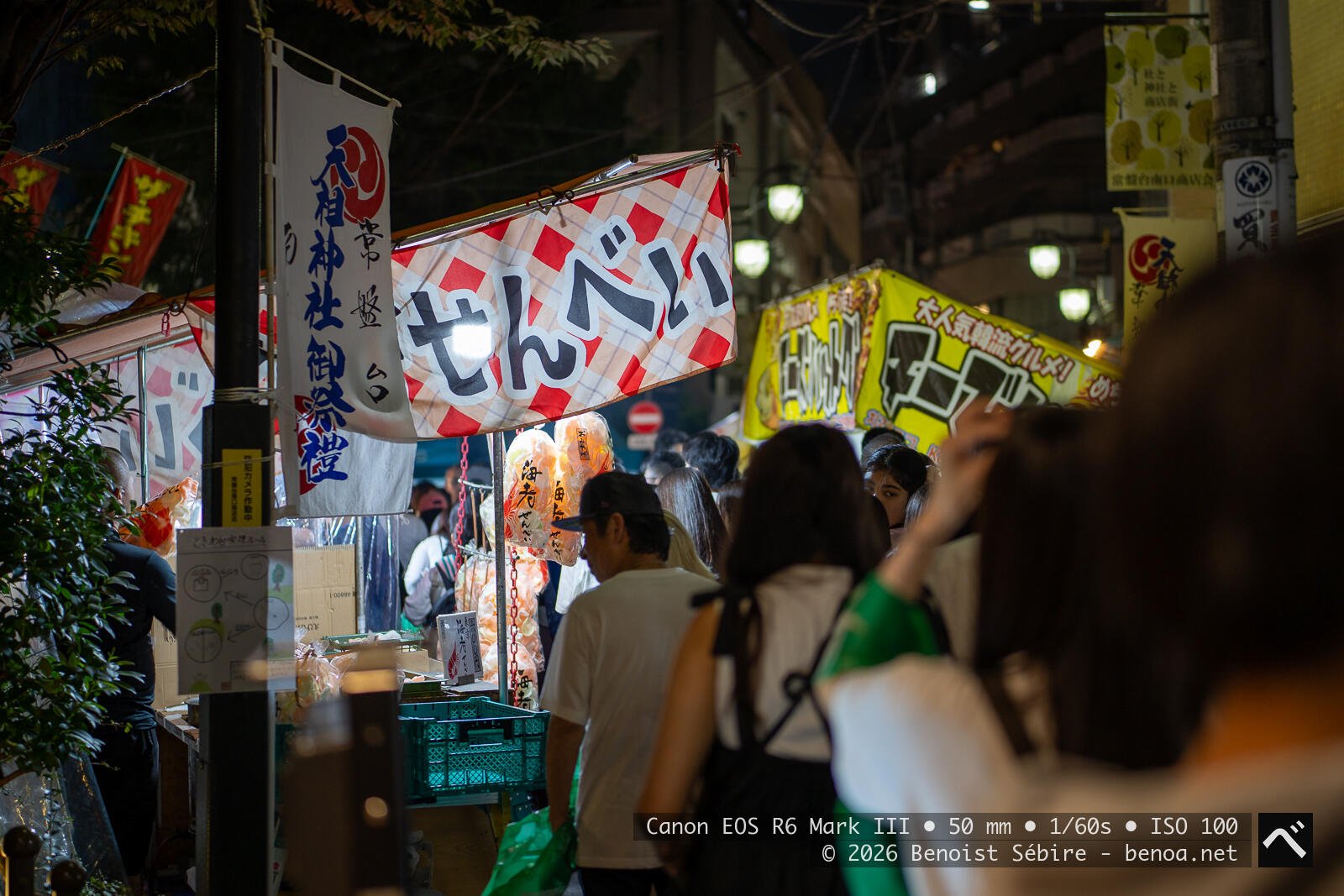
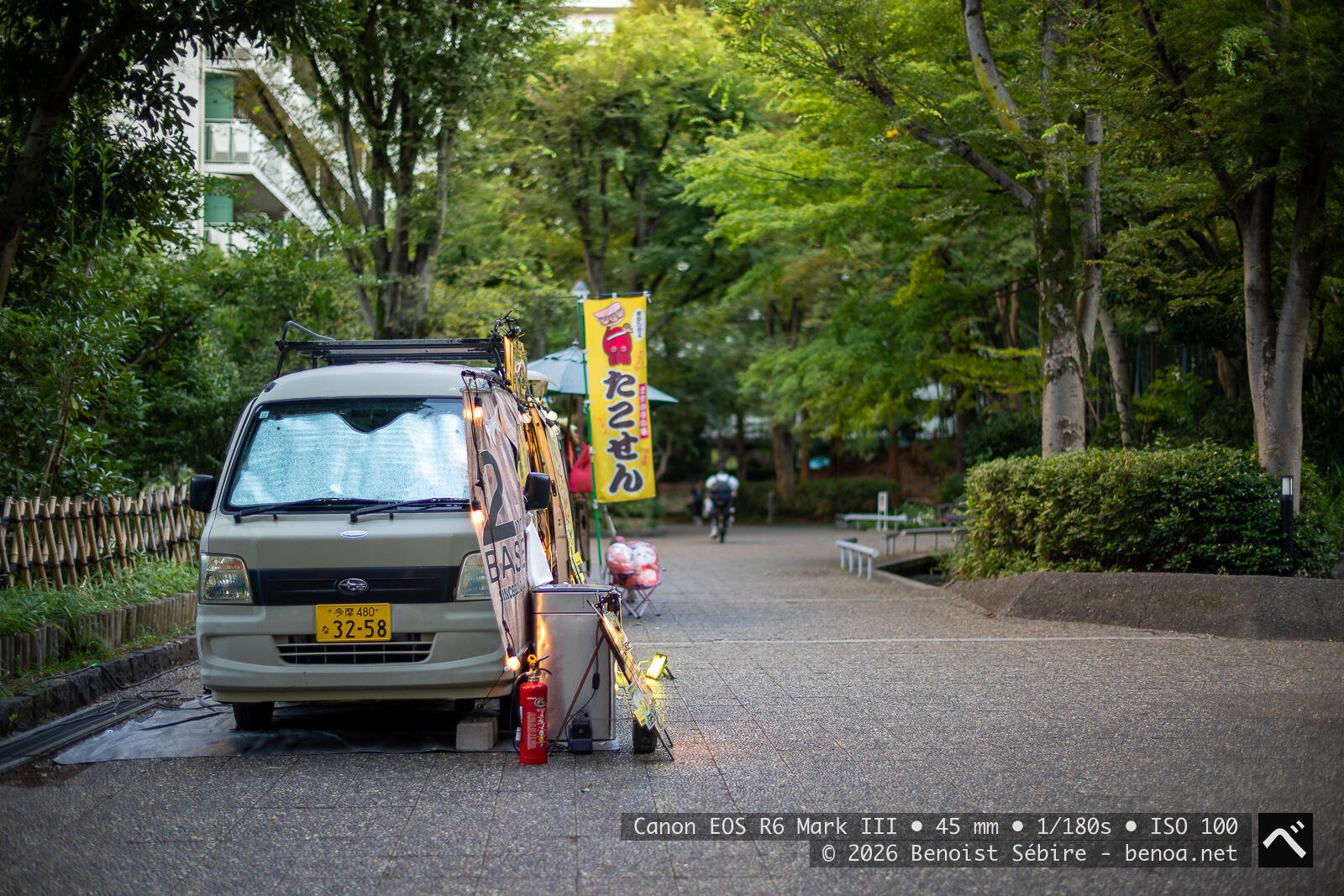
    Food trucks in Japan offer a kind of portable stage for photography, compact and predictable. They usually operate with permits issued by local governments, a detail that explains why they appear in the same spots around my neighbourhood in Tokyo. The setup is always similar, a small truck, a handwritten menu, and a queue of…

  • Picris Hieracioides

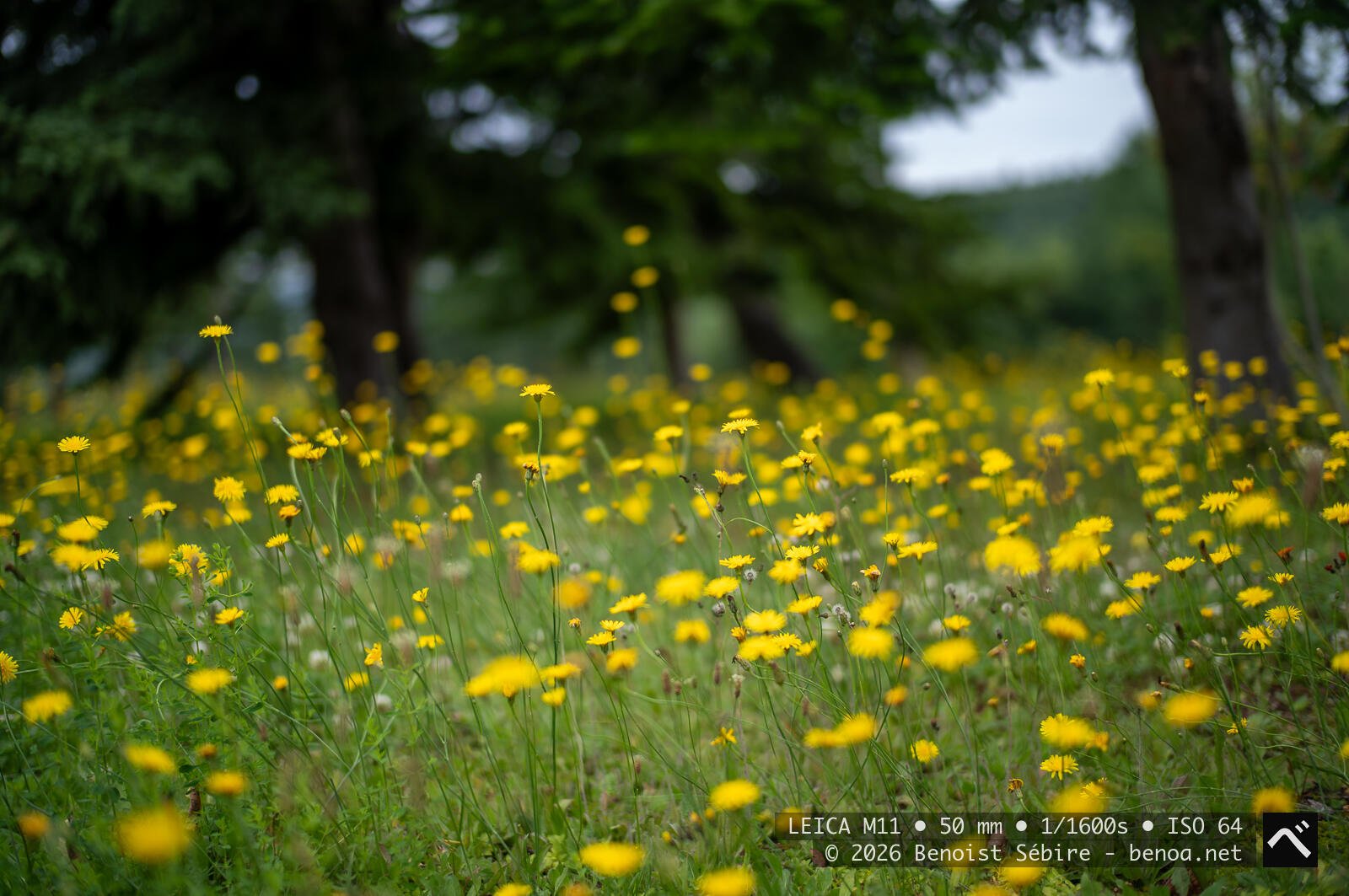
    Picris hieracioides is one of those quiet summer signatures of Hokkaido’s meadows. It rises above the grass on thin, wiry stems, each topped with a delicate burst of narrow yellow petals. At a distance, the flowers look like tiny lanterns scattered across the field; up close, they reveal the fine structure of a true composite…

  • Horseback Riding

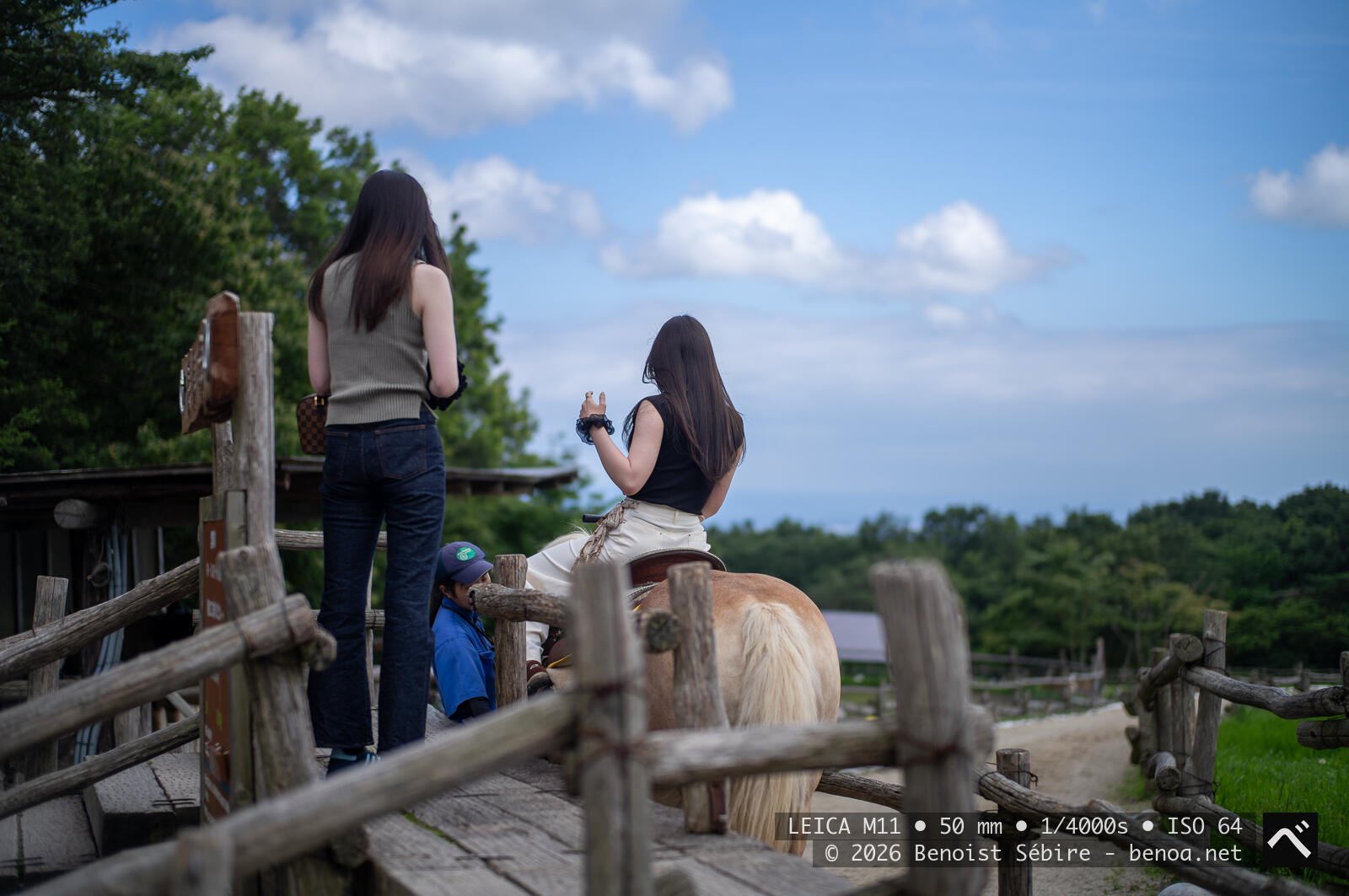
    If you’re new to horseback riding, Nasu is one of the best places in Japan to try a short, gentle ride. Local farms offer beginner‑friendly courses where trained staff guide you through peaceful fields and quiet ranch paths, making it easy to relax and enjoy the experience. These short rides, perfect for families, couples, and…

  • Combini Window

    I was waiting for my food, passing the time with the M11 and the Summilux 50mm. Evening light was settling over the street, soft and a little tired. Through the window, the combini sign across the road stood out against the dimming sky. I aimed the camera at it, letting the glass add a slight…

  • |

    Ferry to Hakodate

    The ferry from Aomori to Hakodate feels like a reward you get after surviving the long drive from Tokyo. A quiet medal, handed without ceremony. I reached Aomori the night before. Business hotel, functional lighting, the usual carpet pattern that looks like it was designed by a committee afraid of colours. At 5:30, I got…

  • |

    Itabashiku Hanami

    Itabashi‑ku Hanabi used to be one of those easy Tokyo summer rituals: show up by the Arakawa, claim a patch of grass, and wait for the sky to bloom. Nowadays, getting there feels like threading a needle. The heat has become brutal, the kind that melts your energy before sunset, and storms roll in so…

  • Sankaku Market

    Sankaku Market in Otaru is the kind of “authentic” seafood alley that’s now mostly authentic in how efficiently it extracts money from tourists. The lantern-lit corridor and stacked crab displays make for great photos, and that’s precisely where the charm ends. We even tried a salmon‑ikura‑don, lured in by the glossy menu photo showing a…